
2026-08-19 · Chris Miller
Preparing Your Heat Pump For Winter Temperature Swings
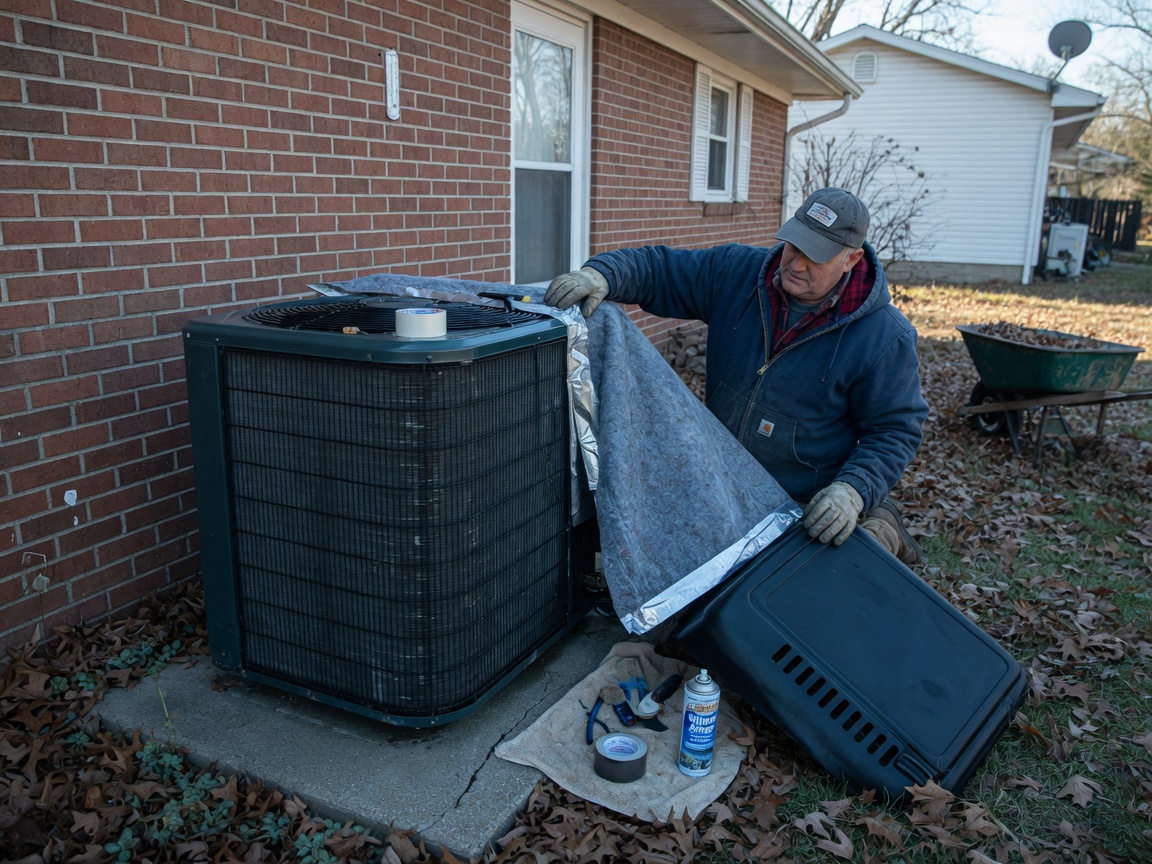
In Lascassas, preparing your heat pump for winter temperature swings starts with clearing debris from the outdoor unit, verifying 2–3 inches of clearance around the fan, and confirming the auxiliary heat strips engage below 35°F. These steps address the humid subtropical climate where mild days can drop 20°F overnight, forcing the system to cycle between heating modes and increasing wear on reversing valves and compressors.
Temperature Swings and Local Climate Impacts
Rutherford County experiences frequent swings between 60°F afternoons and freezing nights during December through February. Heat pumps sized for Lascassas homes often run longer cycles on these variable days, which stresses the defrost cycle and can lead to ice buildup on coils if airflow is restricted. Older single-story houses common along Highway 96 and near the Lascassas community center typically have crawl spaces that allow cold air to reach refrigerant lines, reducing efficiency by 15–20% without proper insulation. Residents in nearby Murfreesboro report similar issues where sudden cold fronts arrive after warm spells, causing the system to hunt between modes. Checking the thermostat settings for a 2°F differential prevents short cycling during these transitions. Homeowners should also inspect the condensate drain for clogs, as higher humidity lingers even in winter and creates ice dams inside the air handler.
Protecting the Outdoor Unit and Line Sets
Positioned on concrete pads in Lascassas yards, outdoor units collect leaves from nearby oak and maple trees that block airflow once temperatures swing. Remove all vegetation within 18 inches and elevate the unit 4–6 inches if soil erosion from winter rains has lowered the pad. Wrap suction and liquid lines with 1/2-inch closed-cell foam insulation rated for outdoor use to prevent heat loss when overnight lows dip into the 20s. In areas like Walterhill and Readyville where wind exposure is higher, install a wind barrier on the north side without enclosing the unit completely. These measures keep the heat pump operating within its designed temperature range and reduce strain on the reversing valve during rapid weather changes. Avoid covering the top of the unit, which traps moisture and promotes corrosion on the fan motor.
Pre-Winter Maintenance Steps
Schedule a service call before the first freeze to test capacitor values, measure temperature split across the indoor coil, and confirm the defrost sensor activates correctly. Clean or replace the air filter every 30–45 days during swing periods to maintain 350–400 CFM per ton of airflow. In homes built before 1990 along the Lascassas Pike corridor, duct leaks in unconditioned attics waste 20–30% of heated air, so inspect accessible joints with a smoke pencil on a cold morning. HVAC maintenance visits during this window also allow technicians to verify the heat pump's balance point matches local design temperatures around 30°F. Keep records of any error codes that appear on the thermostat during swings so patterns can be identified quickly.
When to Call for Heat Pump Services
If the outdoor unit runs continuously without reaching setpoint or the auxiliary heat runs more than 30 minutes at a time, contact a technician. These symptoms often appear first during the November and March transition months when swings are most pronounced. Heat pump services in Lascassas include checking superheat and subcooling values that shift with changing loads. Older homes near the Stones River may also need attention to ductwork that has settled, which compounds efficiency losses during variable weather. Signs Your Ductwork Needs Attention In Older Lascassas Houses outlines common indicators such as uneven room temperatures that become noticeable exactly when the system switches modes. CMS Air Conditioning Heating Refrigeration is available Monday through Friday from 8am to 5pm to handle these evaluations before cold weather settles in.