
2026-08-19 · Chris Miller
What Causes Uneven Temperatures Between Upstairs And Downstairs Rooms
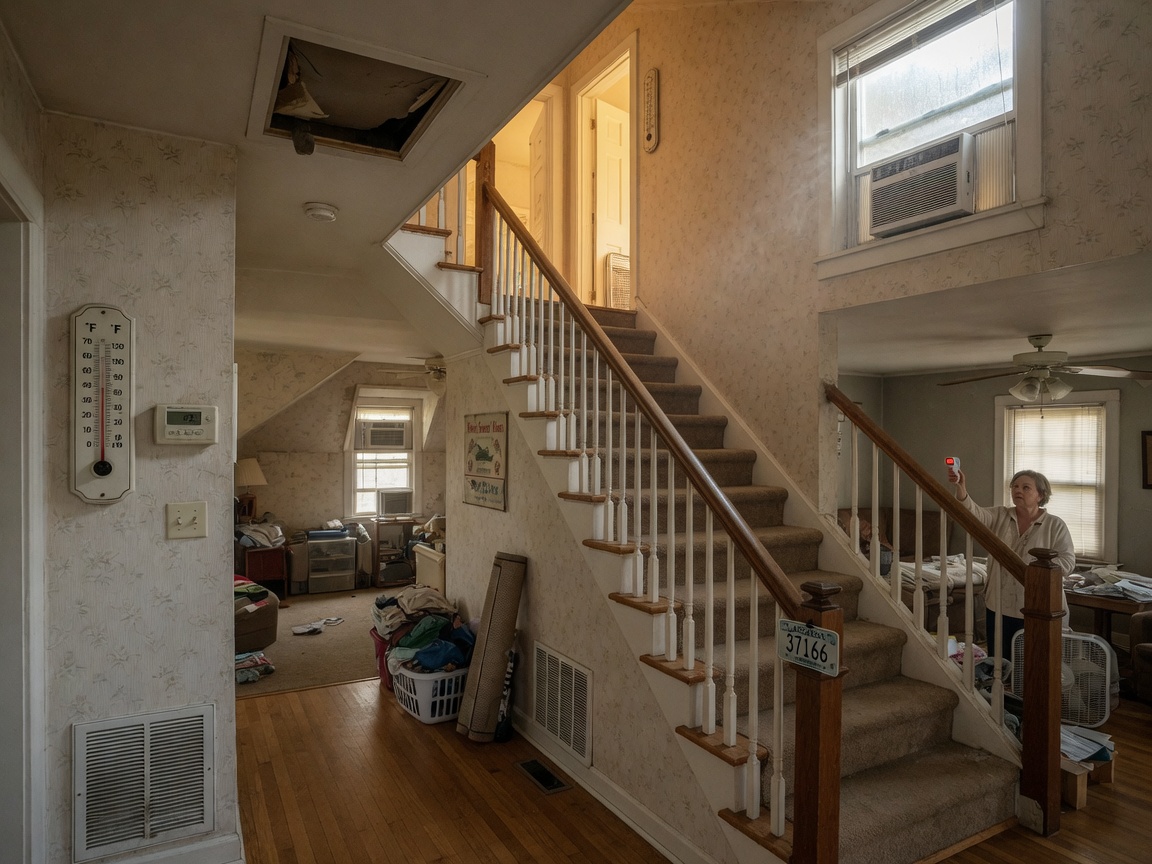
In Lascassas homes, uneven temperatures between upstairs and downstairs rooms typically result from inadequate airflow through the duct system combined with the stack effect in two-story structures during hot humid summers. This pattern shows up consistently across Rutherford County properties near Murfreesboro and Lebanon where many homes feature central HVAC systems installed decades ago. The humid subtropical climate drives hot, moisture-laden air upward in summer while mild winters allow heat to rise unevenly through open stairwells and poorly sealed floors. Homeowners notice the upstairs stays 5–10 degrees warmer in July and August while downstairs feels cooler in January. Addressing these root causes starts with inspecting how supply and return ducts route through attics and crawl spaces common in the area.
Ductwork Distribution Problems in Local Homes
Many Lascassas residences built before 2000 have trunk-and-branch duct layouts that under-serve second floors because original installers sized runs for single-story use. Hot air rises naturally through the stack effect, but when supply ducts leak at joints or lack proper dampers, upstairs registers deliver 20–30 percent less conditioned air than downstairs ones. In Rutherford County, soil movement from seasonal rains can shift crawl-space ducts and create additional restrictions. Homeowners often find flex duct crushed against joists or missing insulation that allows attic heat to warm the air before it reaches rooms. A thorough evaluation of static pressure and airflow at each register reveals these imbalances without guessing. Ductwork installation and repair becomes relevant when sections show visible gaps or collapsed runs that standard maintenance cannot restore.
Thermostat Location and Zoning Limitations
Single-thermostat systems placed on the main floor in typical Lascassas layouts read cooler downstairs air and run longer cycles that overcool lower levels while leaving upstairs warm. During Rutherford County summers with high humidity, this mismatch increases indoor moisture upstairs where condensation forms on windows. Mild winters create the opposite issue as heat from the furnace rises and triggers short cycles before downstairs reaches set point. Adding motorized dampers or a second-story sensor can balance delivery, yet many homes lack the wiring or zoning panels needed for even control. Checking settings after power events helps confirm whether the thermostat itself contributes to the imbalance. How To Check Your Thermostat Settings After A Power Outage outlines steps that apply directly to these multi-level homes.
Insulation Gaps and Seasonal Climate Effects
Attic insulation levels below R-30 in older Lascassas homes allow summer attic temperatures above 120 degrees to radiate downward through ceilings, counteracting downstairs cooling. The humid subtropical pattern brings frequent afternoon storms that raise outdoor humidity, forcing systems to run longer and exposing any air leaks around recessed lights or attic hatches. In winter, mild temperatures still allow warm air to escape through second-floor windows and roof penetrations, leaving downstairs rooms cooler. HVAC maintenance visits scheduled before peak summer identify these gaps through blower-door testing and infrared scans. Why Refrigerant Levels Matter During Long Hot Spells explains how low refrigerant compounds the temperature split when the system struggles to remove humidity upstairs.
Practical Steps for Rutherford County Homeowners
Start by recording temperatures at the same time each day on both floors for one week to establish the actual difference. Next, inspect accessible duct runs in attics and crawl spaces for disconnected sections or missing insulation. Adjust any manual dampers to increase upstairs airflow by 10–15 percent while monitoring system performance. Schedule a full system check during business hours Monday through Friday 8am–5pm to measure static pressure and verify blower speed settings match the home's square footage. These steps address the most common causes without requiring full replacement and help maintain consistent comfort across Lascassas properties year-round.